Drain Repairs vs Drain Relining: Which Do You Need?
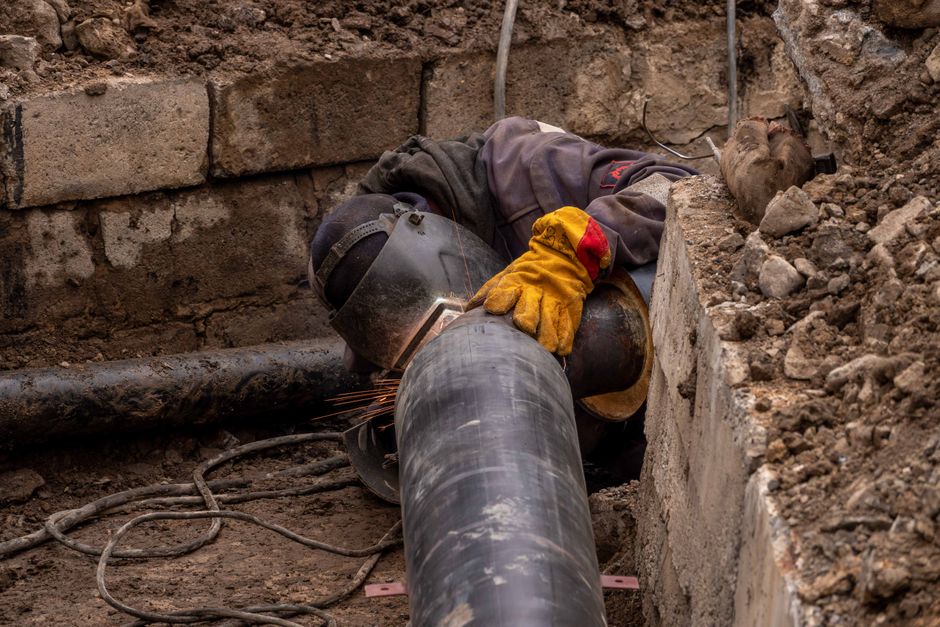
For homeowners in Stevenage, Hertfordshire, dealing with damaged drains can be a daunting task. Whether caused by tree root intrusion, ground movement, or general wear and tear, compromised drains require timely attention to prevent costly water damage and unpleasant smells. Two main approaches are commonly considered: traditional drain repairs involving excavation and the newer, minimally invasive method of drain relining.
Choosing between these options depends on several factors, including the severity and type of damage, your property’s location, and budget. This article aims to clarify the differences between traditional repairs and no-dig relining, explore their advantages and disadvantages, and help you decide which solution best fits your drainage needs in Stevenage and the surrounding Hertfordshire towns.
Understanding Traditional Drain Repairs
Traditional drain repairs typically involve excavating the damaged section of a drain to remove and replace broken pipes. This method allows direct assessment of the pipe condition and provides an opportunity to upgrade old infrastructure while making physical repairs. For many years, it has been the go-to option for repairing collapsed or heavily damaged drains in Stevenage homes and outlying areas such as Hitchin or Baldock.
However, excavation is quite disruptive, often requiring digging up gardens, driveways, or paths to access the faulty pipework. This can lead to significant mess and sometimes extended restoration work post-repair. Additionally, the extent of excavation is limited by accessibility and the presence of other underground utilities common in Hertfordshire suburbs.
Despite these drawbacks, traditional repairs offer a durable and permanent fix, especially where pipe damage is extensive or involves structural collapse. It also provides full access to pipes for thorough cleaning and inspection, which can be beneficial in older properties found in towns like Royston or Buntingford.
What Is Drain Relining?
Drain relining is a no-dig repair technique that involves inserting a resin-coated liner into the existing damaged pipe. The liner is inflated inside the pipe and then cured, forming a tight, seamless new pipe within the old one. This trenchless method preserves surrounding landscaping and infrastructure, making it popular with homeowners in Stevenage and other Hertfordshire towns like Codicote and Knebworth.
Since no excavation is needed, drain relining typically causes less disruption and can be completed more quickly than traditional repairs. It’s particularly useful for minor cracks, small holes, or root ingress that hasn’t caused a total collapse. Additionally, relining can seal leaks, reinforce the pipe structure, and prevent further invasions from roots or sediments.
However, relining isn’t always suitable. Pipes that are severely collapsed or misaligned may not be salvageable using this method. Also, existing blockages need to be cleared before relining can proceed. Nonetheless, this modern technique offers a compelling alternative by reducing cost, time, and environmental impact for many properties across Hertfordshire.
Advantages of Traditional Excavation Repairs
One key benefit of excavation repairs is their ability to address extensive damage directly, which relining cannot always do. When a pipe is crushed, broken into multiple pieces, or has significant tree root infiltration, physical replacement guarantees a long-lasting solution. This is often the case in older properties around Hertford or Biggleswade where outdated pipe materials or ground shifts have taken a toll.
Excavation also allows comprehensive inspection and cleaning of connected drainage systems. This thorough approach can help prevent future blockages and gives homeowners peace of mind that the entire drainage line is in good condition. Moreover, it enables upgrading pipes to more durable materials if needed, future-proofing the system against further issues.
While more disruptive, traditional repairs provide a visible, tangible fix that may be preferred in some cases, particularly where insurance or local regulations in Stevenage require documented pipe replacement. For homeowners with larger gardens or driveways, an excavation may be less of a concern compared to those with limited outdoor space.
Advantages of Drain Relining
Drain relining’s primary advantage is its minimal invasiveness. Without the need to dig up gardens or driveways, it reduces disruption to your property and daily life. This is especially valuable in densely populated areas of Stevenage or towns like Stotfold and Shefford, where space can be limited and restoration costs high.
The quicker completion time also means less inconvenience and lower labour costs. Additionally, the new inner pipe created by relining is smooth, reducing future blockages caused by rough pipe surfaces or cracks. The process also seals leaks effectively, preventing soil contamination and unpleasant odours common in faulty drains.
Another benefit is environmental friendliness. Since no heavy machinery or extensive excavation is needed, relining reduces carbon footprint and preserves surrounding plants and structures. This makes it a popular choice in Hertfordshire villages such as Ardeley and Henlow where maintaining the natural environment is a priority.
Limitations and Considerations for Traditional Repairs
Despite offering a comprehensive fix, traditional excavations carry several downsides. The cost can be significantly higher due to labour, equipment, and restoration of landscaping or driveways. For homeowners in Stevenage or Letchworth, where garden space is often limited or landscaped meticulously, the disruption can be distressing and require additional professional garden restoration.
Excavation also poses logistical challenges. Underground utilities like gas, water, and electricity lines commonly run near drainage pipes in Hertfordshire towns such as Sandy or Henlow. Careful planning and additional safety measures are necessary to avoid damage, potentially increasing project time and complexity.
Moreover, the visible disruption can cause temporary loss of access to parts of the property, which can be inconvenient for families or businesses near commercial areas of Baldock or Royston. Overall, while effective, traditional repairs require careful consideration regarding cost, duration, and impact on your property.
Limitations and Considerations for Drain Relining
While drain relining offers many advantages, it isn’t a universal solution. Damage extending beyond minor cracks or root intrusion may render relining ineffective. Pipes severely deformed or collapsed cannot properly accommodate the liner, making traditional repairs necessary. Homeowners in areas with older Victorian or clay pipe systems, common in parts of Hertford or Buntingford, should obtain thorough pipe surveys before deciding.
Relining also requires a clean pipe before installation, so blockages must be cleared first, which can sometimes reveal additional issues. In some cases, the liner thickness slightly reduces the internal pipe diameter, potentially affecting drainage capacity if pipes are already undersized.
Lastly, while relining generally prolongs pipe life by decades, it may not be suitable for all insurance claims or municipal regulations in Stevenage and nearby towns. Consulting a trusted local drainage expert is essential to evaluate whether your drain’s condition and local standards are compatible with relining.
How to Decide Which Method Suits Your Drain
Choosing between traditional drain repairs and drain relining begins with a professional drain survey, often using CCTV cameras to assess pipe condition without excavation. This initial inspection helps identify the extent and type of damage accurately. In Stevenage and across Hertfordshire, many drainage companies provide this service and can advise on the most suitable solution.
If the damage is superficial or involves small cracks and leaks, relining is typically recommended due to its speed, lower cost, and minimal disruption. However, if pipes are crushed, misaligned, or extensively damaged by tree roots or ground movement—as seen in some older properties in Hitchin or Knebworth—excavation and replacement may be necessary.
Consider also practical factors such as your budget, property layout, and how soon you need the repair completed. Drain relining usually offers a quicker turnaround, but traditional repairs might provide a longer-lasting solution in severe cases. Engaging a reputable local company familiar with Stevenage and neighbouring towns ensures the chosen method aligns with local drainage conditions and regulations.
Need a drainage expert in Stevenage?
Call 01438 487186